
LAUNCHING A SUCCESSFUL RESTAURANT
- Sep 5, 2025
- 5 min read
Opening a restaurant is an exhilarating journey. It’s a blend of passion, creativity, and strategic thinking. But let’s be honest - it’s also a complex business venture that demands careful planning and execution. I’ve spent over two decades helping hospitality brands and restaurants elevate their food, beverage, and guest experiences. Today, I’m sharing my insights to help you launch a successful restaurant that not only delights guests but also thrives financially.
Starting a restaurant is not just about great food. It’s about crafting an experience that resonates with your audience, aligns with your brand values, and operates smoothly behind the scenes. Ready to dive in? Let’s explore the key steps and restaurant startup planning tips that will set you on the path to success.
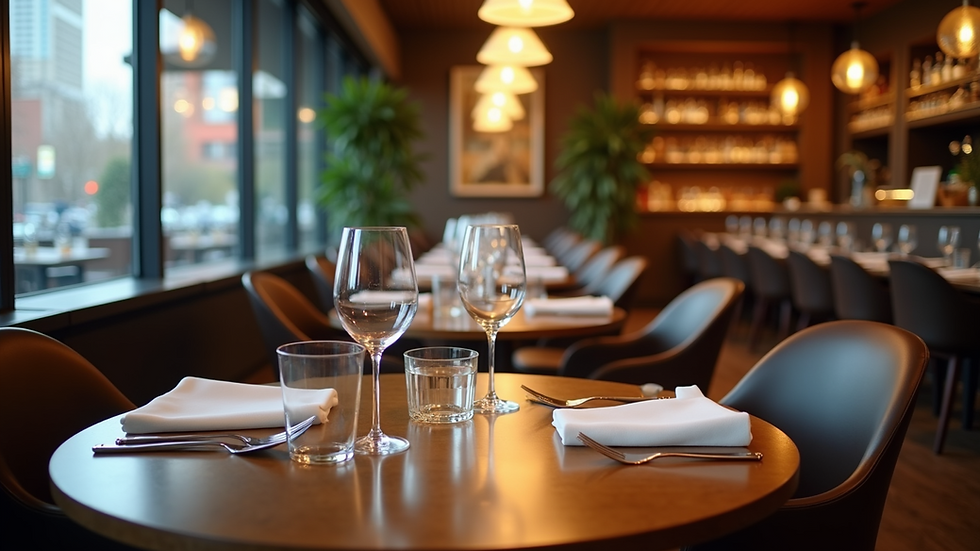
RESTAURANT STARTUP PLANNING TIPS: LAYING THE FOUNDATION
Before you even think about the menu, you need a solid plan. Restaurant startup planning is the backbone of your venture. Here’s what I recommend focusing on:
Concept Development: What story do you want your restaurant to tell? Your concept should reflect your culinary vision and target market. Are you going for casual comfort food, upscale dining, or a niche ethnic cuisine? This decision influences everything from décor to pricing.
Market Research: Understand your competition and your potential customers. What gaps exist in the local dining scene? What are diners craving? Use surveys, focus groups, and competitor analysis to gather data.
Location Selection: Location can make or break your restaurant. Look for high foot traffic, accessibility, and a neighborhood that matches your concept. Don’t forget to consider parking and visibility.
Business Plan: This is your roadmap. Include your concept, market analysis, marketing strategy, operational plan, and financial projections. A well-crafted business plan is essential for securing funding and guiding your decisions.
Brand Identity: Your brand is more than a logo. It’s the personality of your restaurant. Develop a cohesive visual identity, tone of voice, and customer experience that reflect your values.
Remember, a great concept without a plan is like a recipe without ingredients. You need both to create a dish worth serving.
CRAFTING THE MENU: THE HEART OF YOUR RESTAURANT
Your menu is your restaurant’s calling card. It tells guests what to expect and sets the tone for their experience. Here’s how to approach menu development strategically:
Balance Creativity and Practicality: Offer dishes that showcase your culinary skills but are also feasible to prepare consistently. Avoid overly complex recipes that slow down service.
Highlight Signature Dishes: Create a few standout items that become your restaurant’s signature. These dishes should be memorable and unique to your brand.
Consider Ingredient Sourcing: Use fresh, local ingredients whenever possible. This not only supports local producers but also enhances flavor and authenticity.
Pricing Strategy: Price your menu items to cover costs and generate profit, but keep it competitive. Factor in food costs, labor, overhead, and desired profit margins.
Menu Design: A well-designed menu guides guests effortlessly. Use clear categories, appealing descriptions, and strategic placement of high-margin items.
Test and Refine: Before launch, conduct tastings and gather feedback. Be ready to tweak dishes based on guest preferences and operational realities.
A thoughtfully crafted menu is a powerful tool for guest engagement and profitability.
HOW MUCH MONEY IS NEEDED TO START UP A RESTAURANT?
Let’s talk numbers. How much capital do you really need to open your doors? The answer varies widely depending on your concept, location, and scale, but here are some ballpark figures and considerations:
Initial Investment Range: For a small to mid-sized restaurant, expect to invest anywhere from $250,000 to over $1 million. Fine dining establishments or those in prime locations can require significantly more.
Key Cost Categories:
- Lease and Renovations: Securing and customizing your space can be one of the largest expenses.
- Kitchen Equipment: High-quality appliances and tools are essential for efficient operations.
- Furniture and Décor: Your dining room ambiance impacts guest perception.
- Licenses and Permits: Health, liquor, and business licenses are mandatory.
- Staffing and Training: Hiring skilled staff and investing in training ensures service excellence.
- Marketing and Launch: Budget for pre-opening promotions and grand opening events.
- Working Capital: Reserve funds to cover operating expenses during the initial months.
Funding Sources: Consider a mix of personal savings, bank loans, investors, or crowdfunding. A detailed financial plan will help you identify the right mix.
Contingency Planning: Always set aside 10-20% of your budget for unexpected costs. Trust me, surprises happen.
Understanding your financial needs upfront helps you avoid cash flow crises and keeps your vision on track.
BUILDING A TEAM AND OPERATIONAL EXCELLENCE
Your restaurant’s success hinges on the people behind the scenes. Hiring and training the right team is non-negotiable. Here’s how to build a workforce that delivers excellence:
Recruitment Strategy: Look for candidates who share your passion and values. Experience matters, but attitude and adaptability are equally important.
Comprehensive Training: Develop training programs that cover not only technical skills but also customer service and brand culture. Consistency is key.
Leadership and Management: Empower your managers to lead by example. Strong leadership fosters a positive work environment and reduces turnover.
Operational Systems: Implement efficient processes for inventory management, scheduling, and quality control. Technology can be a great ally here.
Employee Engagement: Recognize and reward your team’s efforts. Happy employees create happy guests.
Health and Safety Compliance: Ensure your team is trained on hygiene and safety standards to protect guests and staff alike.
Remember, your team is your restaurant’s heartbeat. Invest in them, and they will invest in your success.

MARKETING YOUR RESTAURANT: CREATING BUZZ AND BUILDING LOYALTY
Launching your restaurant is just the beginning. Sustaining success requires ongoing marketing and guest engagement. Here’s how to make your restaurant stand out:
Pre-Opening Campaigns: Build anticipation with social media teasers, influencer partnerships, and local media outreach.
Grand Opening Event: Host an event that showcases your concept and invites the community to experience your offerings.
Digital Presence: Maintain an attractive, user-friendly website with online reservations and menus. Stay active on social media platforms relevant to your audience.
Loyalty Programs: Reward repeat customers with discounts, special offers, or exclusive events.
Community Involvement: Participate in local events and collaborate with other businesses to build goodwill.
Consistent Messaging: Ensure your marketing materials reflect your brand identity and values.
Monitor and Adapt: Use guest feedback and analytics to refine your marketing strategies.
Marketing is not a one-time task; it’s an ongoing conversation with your guests.
ELEVATE YOUR RESTAURANT WITH EXPERT GUIDANCE
Launching a successful restaurant is a rewarding challenge. It requires a blend of creativity, strategic planning, and operational discipline. If you want to deepen your understanding and access proven strategies, I invite you to explore this comprehensive restaurant startup guide. It’s packed with insights that can help you avoid common pitfalls and accelerate your path to success.
Remember, every great restaurant starts with a vision. With the right planning, team, and marketing, you can turn that vision into a thriving reality. And if you ever need a partner to help elevate your culinary storytelling and guest experience, I’m here to help.
Here’s to your restaurant’s future - may it be as delicious as the dishes you serve!
Comments