EFFICIENT RESTAURANT OPERATIONS STRATEGIES TO ELEVATE YOUR BUSINESS
- Paul Forciniti
- Mar 24
- 4 min read
Running a restaurant is a complex endeavor. Every detail matters, from the kitchen workflow to guest interactions. Over the years, I have seen firsthand how operational efficiency can transform a restaurant’s bottom line and guest satisfaction. This post shares practical, tested strategies to improve restaurant operations with clarity and precision. These insights come from real-world experience, not theory, and are designed to help you build a structured, profitable, and product-driven dining experience.
KEY RESTAURANT OPERATIONS STRATEGIES FOR SUCCESS
efficient restaurant operations strategies
Operational efficiency is the backbone of any successful restaurant. It impacts cost control, staff productivity, and ultimately, guest satisfaction. Here are some core strategies that I recommend implementing:
Streamline Workflow: Map out every step in your kitchen and front-of-house processes. Identify bottlenecks and redundancies. For example, rearranging kitchen stations to minimize movement can reduce order preparation time significantly.
Inventory Management: Use a reliable system to track inventory in real time. This prevents over-ordering and waste. Regular audits combined with supplier communication ensure you maintain optimal stock levels.
Staff Training and Scheduling: Cross-train your team to handle multiple roles. This flexibility helps during peak hours and unexpected absences. Use scheduling software to align staff availability with busy periods.
Menu Engineering: Analyze your menu items for profitability and popularity. Remove or rework dishes that underperform. A focused menu reduces kitchen complexity and speeds up service.
Technology Integration: Implement POS systems that integrate with inventory and scheduling tools. This centralizes data and provides actionable insights.
These strategies are not just theoretical. I have applied them in various hospitality settings, from boutique restaurants to large hotel groups, with measurable improvements in efficiency and guest experience.
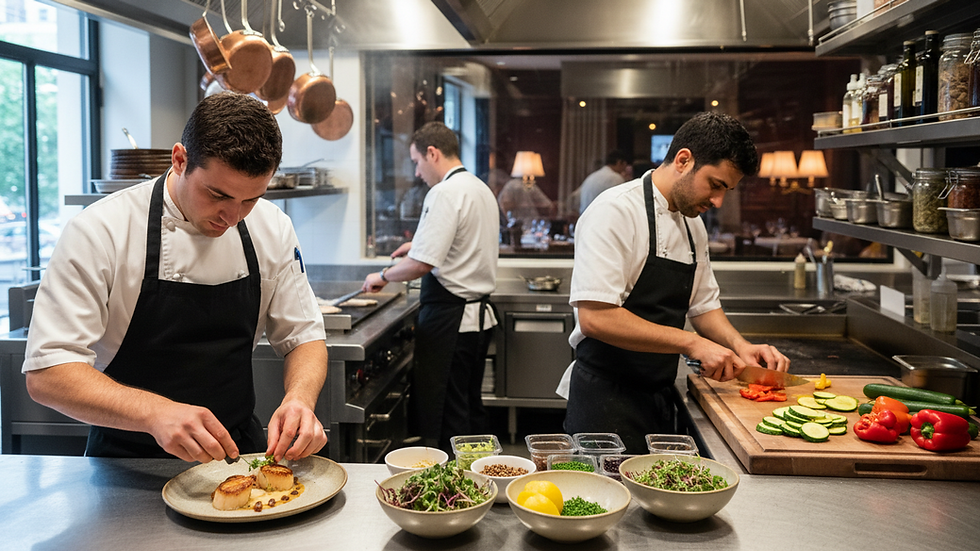
HOW TO IMPROVE RESTAURANT OPERATIONS WITH PRACTICAL STEPS
If you are wondering how to improve restaurant operations, the answer lies in combining data-driven decisions with hands-on management. Here are actionable steps to get started:
Conduct an Operational Audit: Walk through your entire operation during different shifts. Note delays, errors, and staff feedback. This audit forms the basis for targeted improvements.
Set Clear Performance Metrics: Define KPIs such as table turnover time, food cost percentage, and customer satisfaction scores. Monitor these regularly.
Optimize Ordering and Receiving: Establish strict protocols for receiving deliveries. Check quality and quantities immediately to avoid discrepancies.
Enhance Communication: Use daily briefings and digital communication tools to keep your team aligned. Clear communication reduces mistakes and improves morale.
Focus on Guest Flow: Analyze seating arrangements and reservation systems to maximize capacity without compromising comfort.
Regularly Review Financials: Track labor costs, food costs, and overheads weekly. Adjust operations to maintain profitability.
By embedding these steps into your daily routine, you create a culture of continuous improvement. This approach ensures your restaurant remains agile and responsive to challenges.
WHAT IS THE 30/30/30 RULE FOR RESTAURANTS?
The 30/30/30 rule is a simple yet powerful guideline for managing restaurant operations effectively. It divides your focus into three equal parts:
30% on Food Quality: Ensuring every dish meets high standards consistently. This includes ingredient sourcing, preparation, and presentation.
30% on Service: Training staff to deliver attentive, efficient, and friendly service. Service quality directly influences guest satisfaction and repeat business.
30% on Ambiance and Cleanliness: Maintaining a welcoming environment with attention to detail in decor, lighting, and hygiene.
This rule helps balance priorities and prevents overemphasis on one area at the expense of others. In practice, I have seen restaurants that apply this rule maintain steady growth and strong reputations.
Leveraging Technology to Enhance Restaurant Efficiency
Technology is no longer optional in modern restaurant operations. It can streamline processes, reduce errors, and provide valuable insights. Here are some tech tools worth considering:
Point of Sale (POS) Systems: Modern POS systems integrate order taking, payment processing, and inventory tracking. They reduce manual errors and speed up service.
Inventory Management Software: Automates stock tracking and generates purchase orders based on usage patterns.
Employee Scheduling Apps: Simplify shift planning and allow staff to swap shifts easily, reducing absenteeism.
Customer Relationship Management (CRM): Helps track guest preferences and feedback, enabling personalized marketing and service.
Kitchen Display Systems (KDS): Replace paper tickets with digital screens, improving order accuracy and kitchen communication.
When selecting technology, prioritize solutions that integrate well with your existing systems. Training your team on these tools is equally important to maximize their benefits.

BUILDING A CULTURE OF CONTINUOUS IMPROVEMENT
Operational efficiency is not a one-time fix but an ongoing process. Cultivating a culture where every team member feels responsible for improvement is essential. Here’s how to foster this mindset:
Encourage Feedback: Create channels for staff to share ideas and report issues without fear of criticism.
Regular Training: Invest in ongoing education to keep skills sharp and introduce new best practices.
Celebrate Successes: Recognize and reward improvements and innovations from your team.
Lead by Example: Management should demonstrate commitment to operational excellence through their actions.
Use Data Transparently: Share performance metrics with your team to create shared goals and accountability.
This culture drives innovation and resilience, helping your restaurant adapt to changing market conditions and guest expectations.
Efficient restaurant operations are the foundation of a thriving hospitality business. By applying these strategies, you can control costs, enhance guest satisfaction, and build a sustainable brand. For those looking to deepen their understanding of how to improve restaurant operations, integrating these practical steps will set you on the path to operational excellence.
Remember, success in hospitality comes from combining culinary creativity with strategic management. With the right focus and tools, your restaurant can deliver exceptional dining experiences that resonate with guests and drive profitability.
ABOUT THE AUTHOR
Paul Forciniti is a culinary consultant and hospitality strategy advisor with more than two decades of experience working with restaurants and hospitality groups in Buenos Aires, Paris, Mexico City, New York, and Washington D.C.
His work focuses on restaurant openings, operational structure, and the development of sustainable kitchen systems for hospitality operations.

WORK WITH PAUL FORCINITI
Restaurants facing challenges with food cost control, operational structure, or kitchen leadership often benefit from a comprehensive operational assessment.
If your restaurant or hospitality project requires strategic operational support, you can learn more about consulting services or request a consultation through the website.
EFFICIENT RESTAURANT OPERATIONS STRATEGIES
Comments