
BALANCING IDENTITY COST AND GUEST EXPECTATIONS IN A NEW RESTAURANT CONCEPT
- Paul Forciniti
- Jan 8
- 3 min read
Opening a new restaurant is a thrilling challenge. You want your concept to stand out, but you also need to keep costs manageable and meet what guests expect. Striking the right balance between these three elements can make or break your success. You might have a clear vision for your restaurant’s identity, but if the expenses spiral or customers don’t connect with it, your dream can quickly become a struggle.
This post walks you through practical steps to balance your restaurant’s identity, control costs, and satisfy guests. You’ll find real examples and actionable advice to help you build a concept that works well on all fronts.

DEFINE YOUR RESTAURANT IDENTITY CLEARLY
Your restaurant’s identity is the foundation. It includes your cuisine style, atmosphere, service approach, and brand personality. Without a clear identity, your concept will feel scattered, confusing guests and staff alike.
Start with your passion and expertise. What type of food excites you? What experience do you want to create? For example, if you love Mediterranean cuisine and casual dining, build your concept around that.
Research your market. Look at competitors and local demand. If the area already has many fine dining options, a casual, affordable concept might fill a gap.
Create a story. Guests connect with stories. Maybe your restaurant highlights family recipes or sustainable sourcing. This story should guide your menu, decor, and marketing.
A strong identity helps you make consistent decisions, from menu items to interior design. It also attracts guests who share your vision.
MANAGE COSTS WITHOUT SACRIFICING QUALITY
Cost control is critical, especially in the early stages. You want to invest wisely to support your identity but avoid overspending on unnecessary elements.
Prioritize spending. Allocate budget to what impacts guest experience most. For example, invest in quality ingredients and skilled kitchen staff rather than expensive decor that doesn’t add value.
Use local suppliers. Local sourcing can reduce transportation costs and support your story of freshness or community focus.
Start small and scale. Launch with a focused menu and limited seating if needed. This approach reduces upfront costs and allows you to adjust based on guest feedback.
Negotiate with vendors. Build relationships with suppliers to get better prices or payment terms.
Track expenses closely. Use simple accounting tools to monitor costs daily. This helps you spot issues early and adjust quickly.
For example, a new bistro I worked with chose to use reclaimed wood for tables instead of custom furniture. This saved thousands while reinforcing their eco-friendly identity.
UNDERSTAND AND EXCEED GUEST EXPECTATIONS
Guests come with expectations shaped by your concept, location, and price point. Meeting these expectations builds trust and encourages repeat visits.
Know your target audience. Are your guests families, young professionals, or foodies? Tailor your menu, service style, and ambiance to their preferences.
Set clear expectations. Your marketing and signage should honestly reflect what guests will experience. Avoid overpromising.
Focus on service. Friendly, attentive staff can elevate even a simple meal. Train your team to deliver consistent hospitality.
Gather feedback regularly. Use comment cards, online reviews, or direct conversations to learn what guests like and want improved.
Adapt when needed. If guests want more vegetarian options or quicker service, be ready to adjust.
For instance, a new café I advised noticed many guests asked for dairy-free milk alternatives. Adding those options increased satisfaction and sales without major cost increases.
INTEGRATE IDENTITY, COST, AND GUEST EXPECTATIONS IN DECISION MAKING
Balancing these three elements means making decisions that support all of them simultaneously.
Menu design should reflect your identity and appeal to guests while keeping ingredient costs reasonable. For example, focus on seasonal produce to lower costs and highlight freshness.
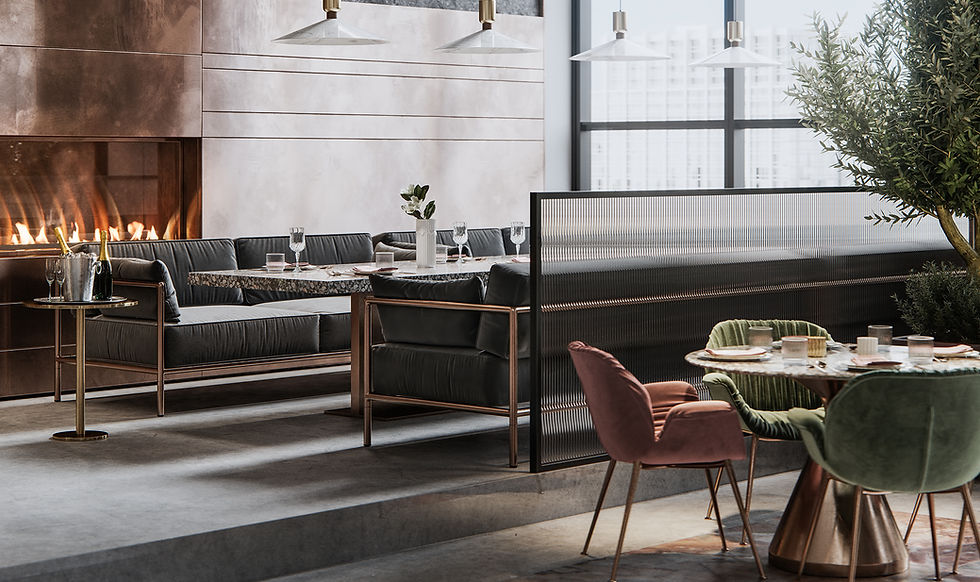
Interior design can reinforce your concept without overspending. Use creative lighting, artwork, or plants instead of costly renovations.
Pricing must cover costs and match guest expectations. Research competitors and test different price points.
Marketing should tell your story clearly and attract your ideal guests. Use local events or partnerships to build awareness affordably.
A restaurant I consulted combined a rustic Italian identity with a simple menu of pasta and salads. They sourced ingredients locally and priced dishes competitively. Guests loved the authentic feel and fair prices, leading to steady growth.

FINAL THOUGHTS ON BUILDING A SUCCESSFUL RESTAURANT CONCEPT
You control your restaurant’s story, costs, and guest experience. Balancing these elements requires clear priorities and flexibility. Focus on what makes your concept unique, spend wisely, and listen to your guests. This approach helps you build a restaurant that stands out, stays profitable, and keeps customers coming back.
PAUL FORCINITI
Comments